Donation, Recycling, Hazardous Items

Every move generates waste. The challenge in Alaska is that landfills fill quickly, shipping recyclables can be costly, and hazardous items pose risks to wildlife and water. To move sustainably, it’s essential to plan where excess furniture, electronics, and chemicals will go before packing.
Donation Centers
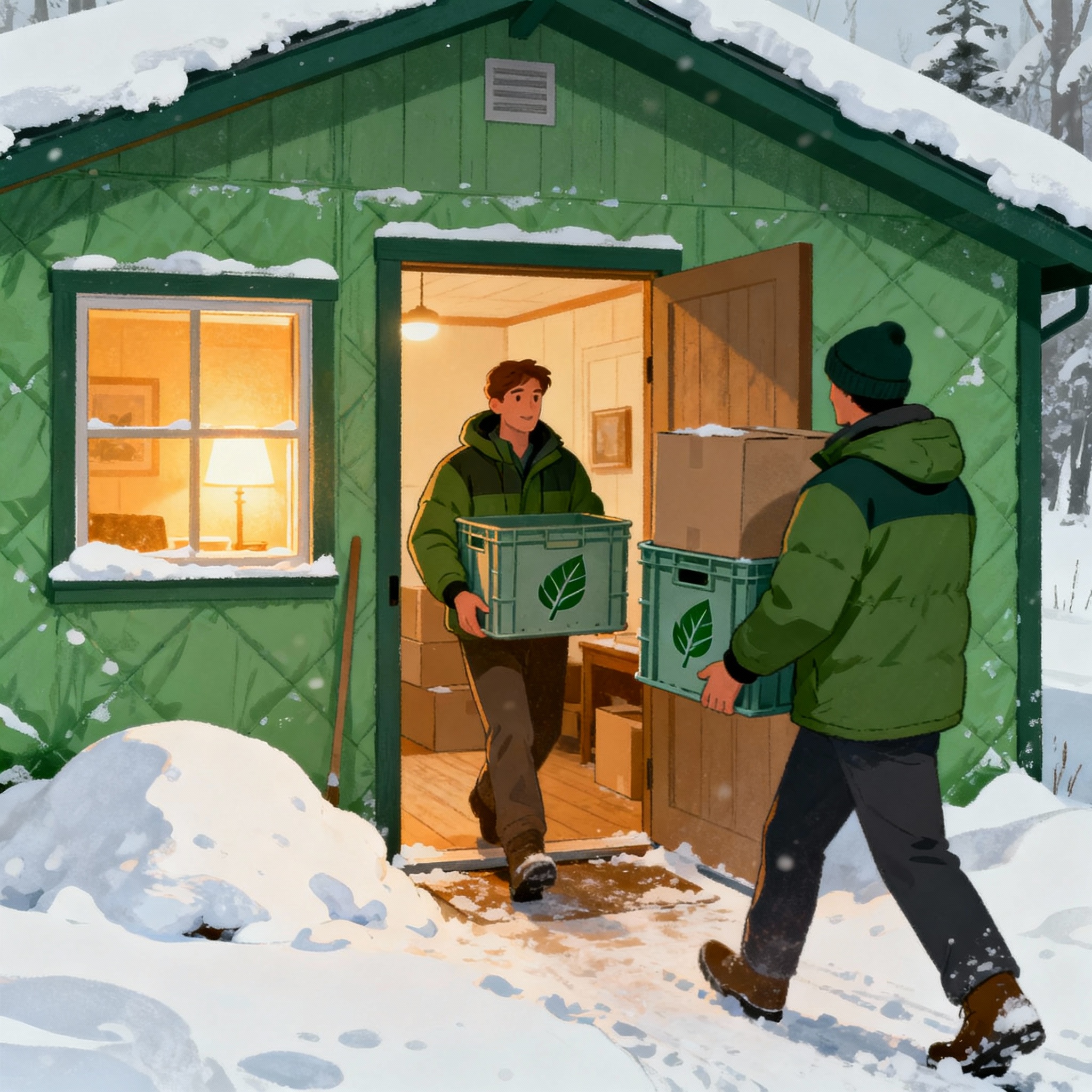
Gently used items can be donated to local charities, helping communities while reducing waste. Thrift stores in Fairbanks, Juneau, and Anchorage facilitate redistribution of goods to families in need.
Recycling Programs
Recycling varies by Alaskan town. Some offer curbside pickup, while others need drop-off centers. Key recyclables include cardboard, aluminum, glass, and e-waste. Batteries and electronics should be disposed of only at certified locations.
Hazardous Waste Management
Household chemicals, paints, and motor oils must never be thrown into regular trash. Specialized hazardous waste events in Alaskan cities collect and neutralize these materials safely.
Expand with 1000+ words, including practical donation checklists, guides on separating recyclables for remote regions, federal and local regulations, Indigenous Alaskan approaches to resource cycles, and long-term waste management strategies...